There’s a case
for loving math.
Spot fake followers. Predict the winners of a competition. Designed with math-anxious students in mind, Math Cases turns real-world questions into hands-on investigations where students have a reason to feel invested.
Think outside
the box. Literally.
What’s the evidence?
Follow your curiosity.
The Box
Can you design a better box?
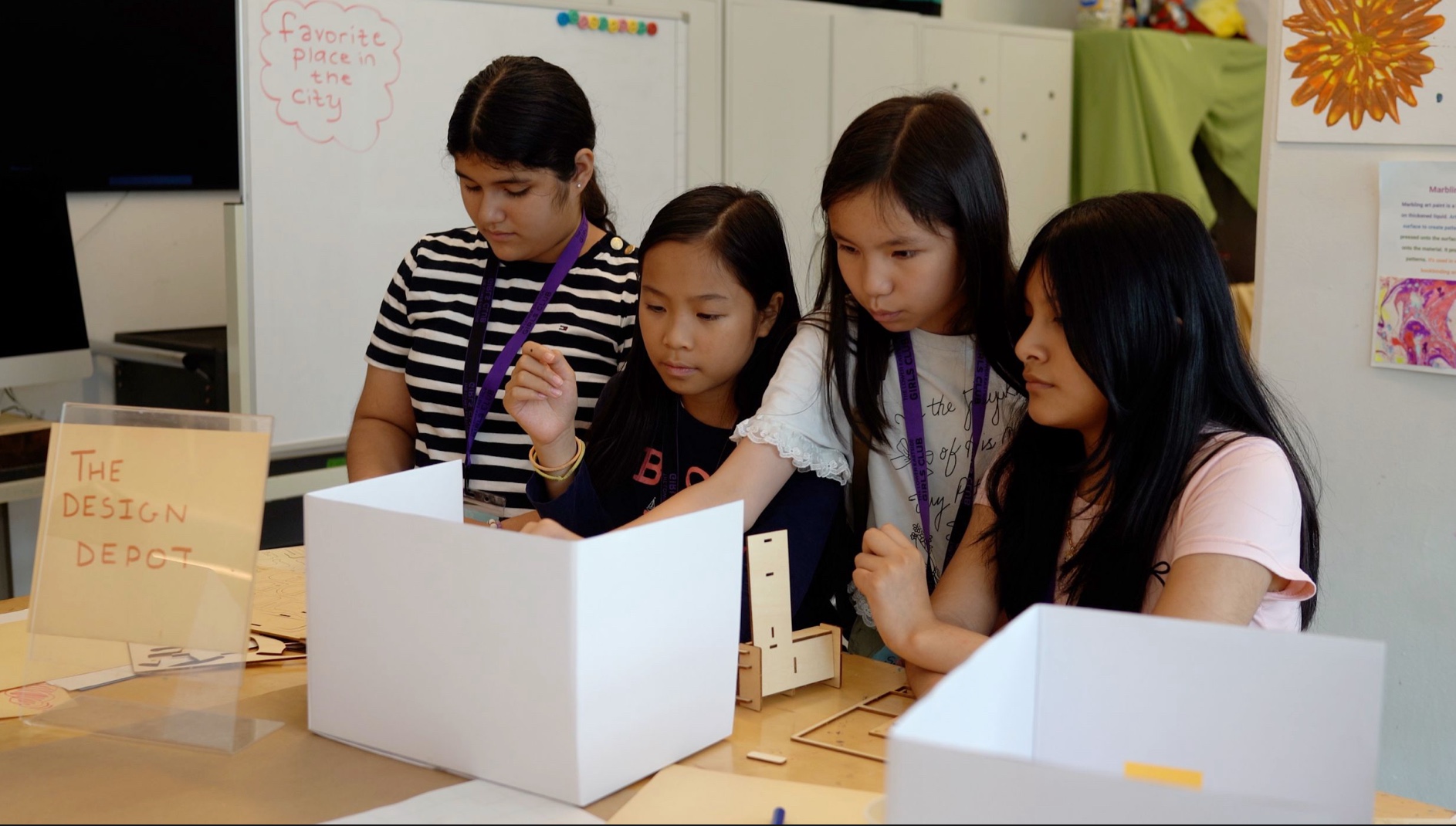
Become a packaging consultant. Build, measure, and redesign a box to cut material costs without changing what fits inside.
The Next Survivor
Who will win next?
Meet the contestants, investigate past winners, and use charts and statistics to defend—or rethink—your prediction.
Bot or Not
Are those followers real?
Step into the role of a social media auditor. Use growth patterns and ratios to flag suspicious engagement.
Perfect Price
Which price earns the most profit?
Balance the price customers pay with how many will buy. Find a pricing decision you can back up with math.
Renovation
Can your design fit the budget?
Measure a space, compare materials, and make design choices that work on paper and in the budget.
Going Viral
Which song will be the next hit?
Follow the numbers behind rising songs. Choose a growth model and defend a forecast.
Soundwv
How do music algorithms determine what’s popular?
Decide which signals should count the most when building the algorithm for a streaming service.
Tickets
Why are concert tickets so expensive?
Investigate ticket prices, markups, and percent increases—and what those numbers mean for a fan.
The Shopping Case
How do I know if a sale is truly a steal?
Shop with a budget, compare discounts, and figure out what you’ll really pay.
On the drawing board
New ideas taking shape. These workshops are in development.
The DNA Case
How can a simulation model chance?
A case connecting probability and outcome simulation to DNA. In development.
Rigged?
How can you test a game’s fairness?
A case exploring probability and fairness. In development.
The question comes first.
The math has a purpose.
Students take on a role, explore the question, and make a decision. Mathematical tools arrive to help students move their thinking forward.
01 / Get Curious
You’re a designer, an analyst, or a business owner. What would you do—and why?
02 / Try Something
Build, sort, measure, and compare. Start with an idea before everything has a formal name.
03 / Solidify the Skills
Use a focused mini-lesson to turn your observations into a strategy you can explain.
04 / Make Your Case
Try your approach, listen to another idea, and back up your decision with evidence.
Then, connect it to your world. Every case closes with space to reflect on where the math shows up in students’ own lives.
What learning looks like.
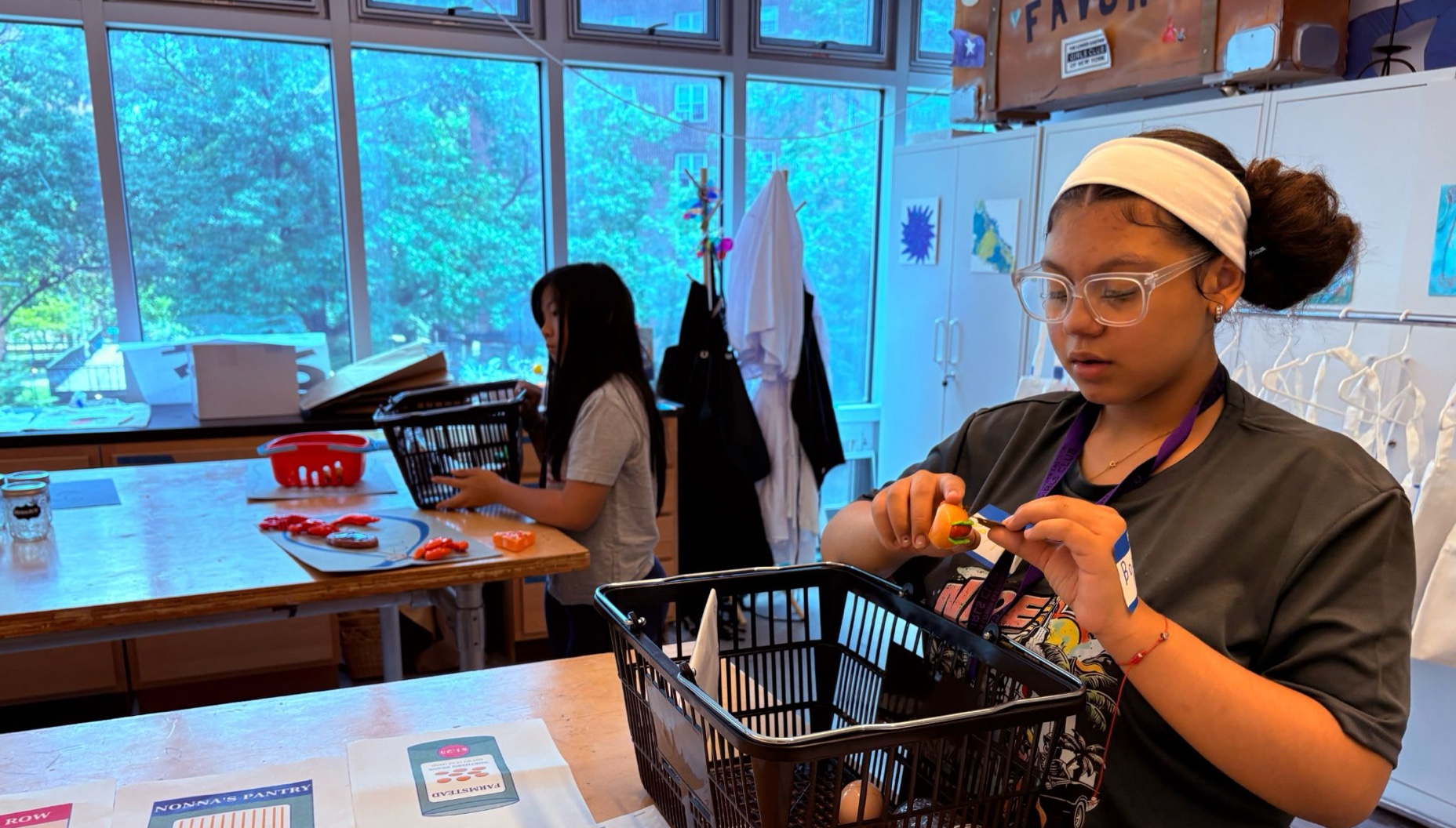
Building, discussing, and making a case.
Give your students something to make a case for.
A workshop built around thinking together.
A fresh way to bring
math into the room.
Bring a facilitated Math Cases workshop or short series to your school, after-school program, or community organization.
- A case selected for your students and goals
- Hands-on materials and guided discussion
- A plan that fits your program’s schedule
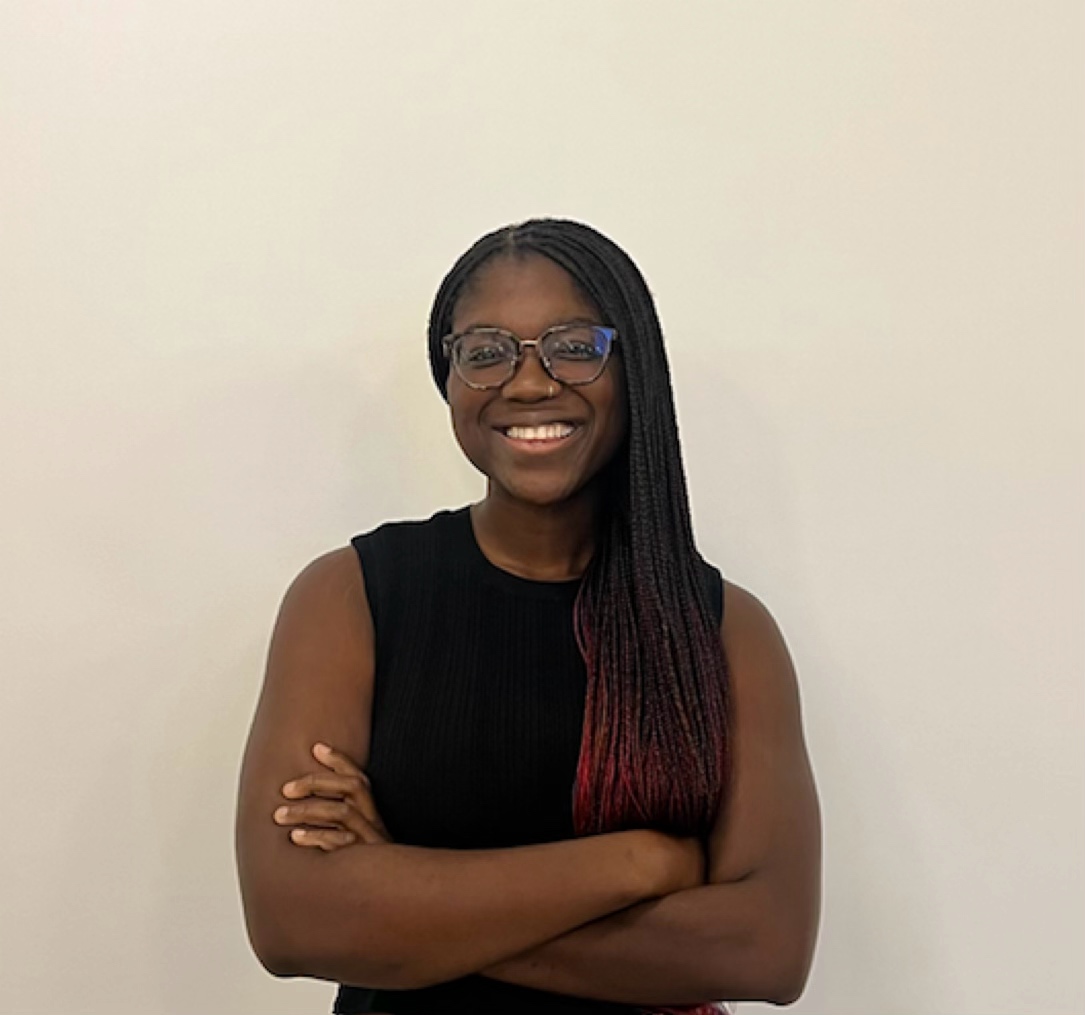
Hi, I’m Melissa Loupeda.
I’m an educator and Stanford graduate on a mission to help all students see themselves as "math people." After leading one of the largest tutoring centers in Massachusetts, I wanted to create more opportunities for students to use math to explore questions they actually care about.
My work centers students who feel hesitant about math, while leaving room for every learner to be curious, challenged, and heard.
Who is Math Cases for?
Most cases are designed for grades 5–8, with selected cases for high school students. Each case page lists its intended grade band and mathematical focus. Schools and organizations can discuss which case fits their students.
Does my child need to be confident in math?
No. Students can begin with a prediction, a physical model, or an observation. Guided instruction and discussion help them build from that starting point. Math Cases is designed with math-hesitant students in mind.
What does a session look like?
Students take on a role, investigate a question, use mathematical tools, and explain a decision. Depending on the case, they might build packages, analyze a graph, compare prices, or design a room. Sessions close with a personal reflection.
How can my child take part?
Share your interest with Melissa, or email melissa@mathcases.com directly.
Can our school or organization host a workshop?
Yes. Visit Schools & Nonprofits to explore formats and start a conversation about your students, schedule, and goals.
Let’s make room for a new kind of math.
For families, schools, and organizations ready to explore.